Education
Why Precious Metals
Gold is not a shortcut, and it is not a guarantee. It is one tool among many, with real strengths and real limitations. Both belong in the conversation.
Considerations
Why people hold gold and silver
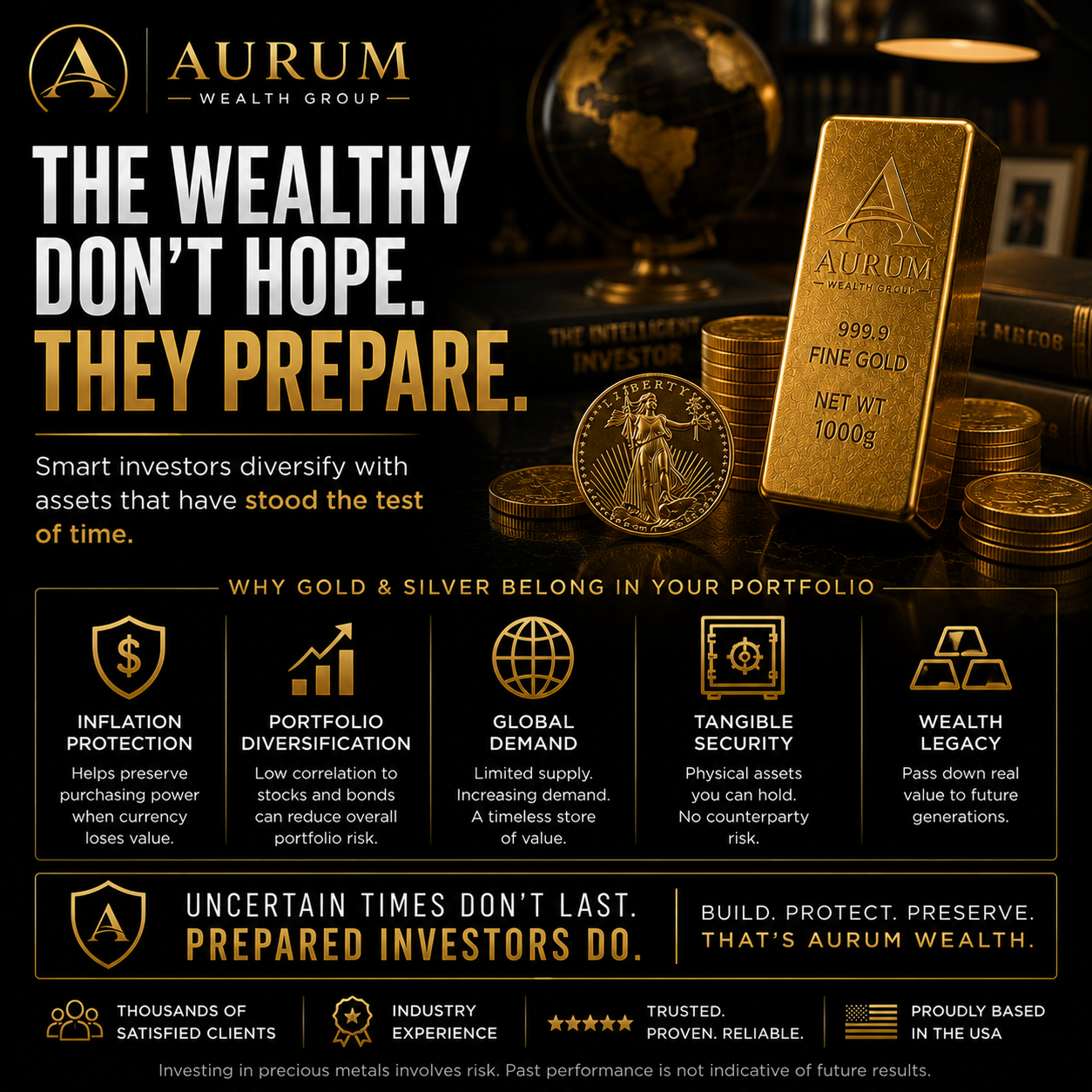
Diversification
Precious metals have historically moved differently from equities and bonds. A modest allocation is one way some households seek to reduce reliance on a single asset class. Correlation is not fixed and can change.
Long-term preservation
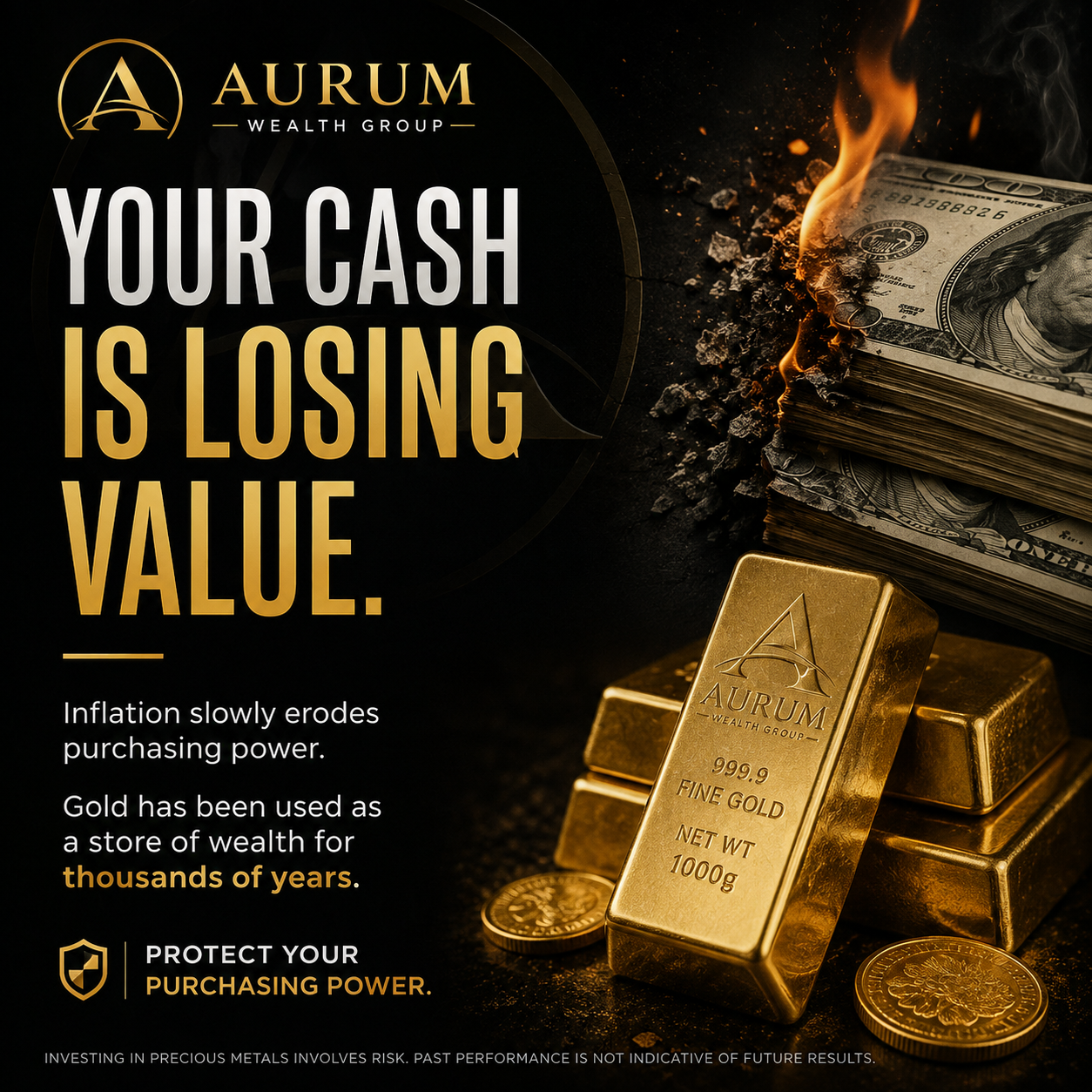
Gold has functioned as a store of value across many centuries and currencies. It is generally viewed as a way to carry purchasing power forward rather than to generate growth.
Inflation considerations
Some clients weigh metals when thinking about the long-term effect of inflation on cash. The relationship between metals and inflation is not consistent year to year.
Tangible ownership
Physical metal is a real asset with no counterparty obligation to perform. It does, however, need to be stored, insured, and secured.
Global demand and liquidity
Central banks, industrial users, jewelers, and private buyers all participate, which supports an active worldwide market for common bullion products.
Generational transfer
Physical metals can be passed to heirs directly. Some families value that simplicity as part of a broader legacy plan.
Balance
Risks and limitations
Anyone presenting only the upside is not giving you the full picture. These are the considerations we discuss with every client.
- Prices fluctuate and can fall significantly, including over multi-year periods.
- Metals generate no interest, dividends, or earnings while held.
- Storage, insurance, and custody carry ongoing costs.
- Buy and sell prices differ; the spread reduces net proceeds on a sale.
- Physical metals are typically less liquid than publicly traded securities.
- Premium and collectible products can be harder to resell at predictable values.
- Concentrating too much of a portfolio in any single asset increases risk.
Nothing on this page is a recommendation, a projection, or a promise of results. Whether precious metals are appropriate for you depends on your goals, timeline, tax situation, and overall plan — questions best reviewed with your own licensed professionals.
Next Step
Want a balanced conversation?
We are happy to talk through both sides, answer your questions, and leave the decision entirely with you.